
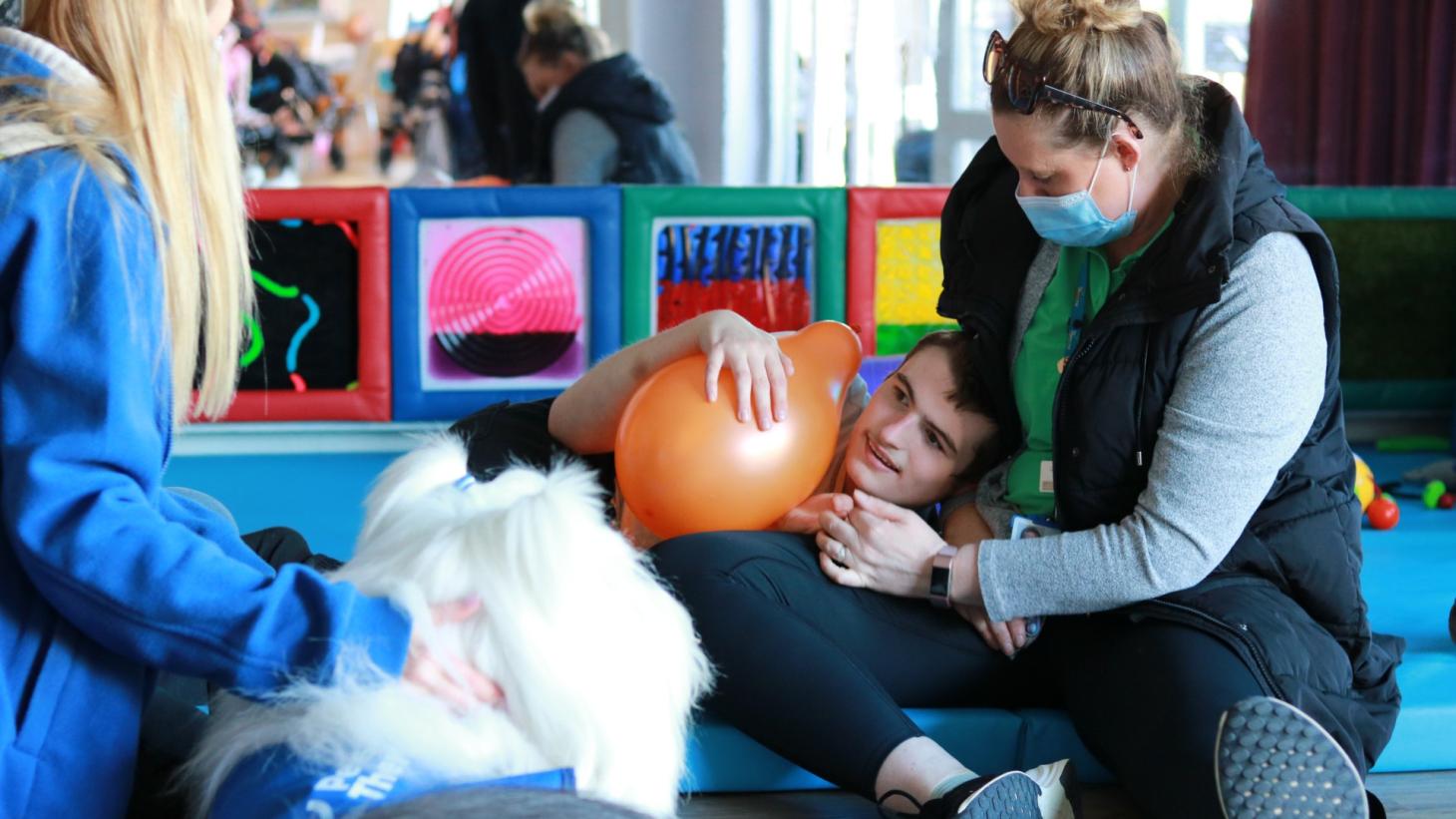
The Zones of Regulation provides a shared, accessible language for understanding emotions and levels of alertness, helping pupils and the adults who support them to recognise emotional states and respond in ways that prioritise safety, connection and wellbeing.
Our approach
We understand that all behaviour is communication. Emotional states, sensory overload, unmet needs or feelings of safety and threat may be communicated through behaviour, particularly for pupils with limited verbal communication.
Our use of the Zones of Regulation is embedded within trauma‑informed practice, meaning that:
- Adult responses are attuned, calm and relational
- Co‑regulation comes before self‑regulation
- Emotional and physical safety are prioritised at all times
- Pupils are supported, not corrected, during moments of dysregulation
- The goal is not to move pupils into a ‘preferred’ zone, but to help them feel safe, understood and supported in every zone.
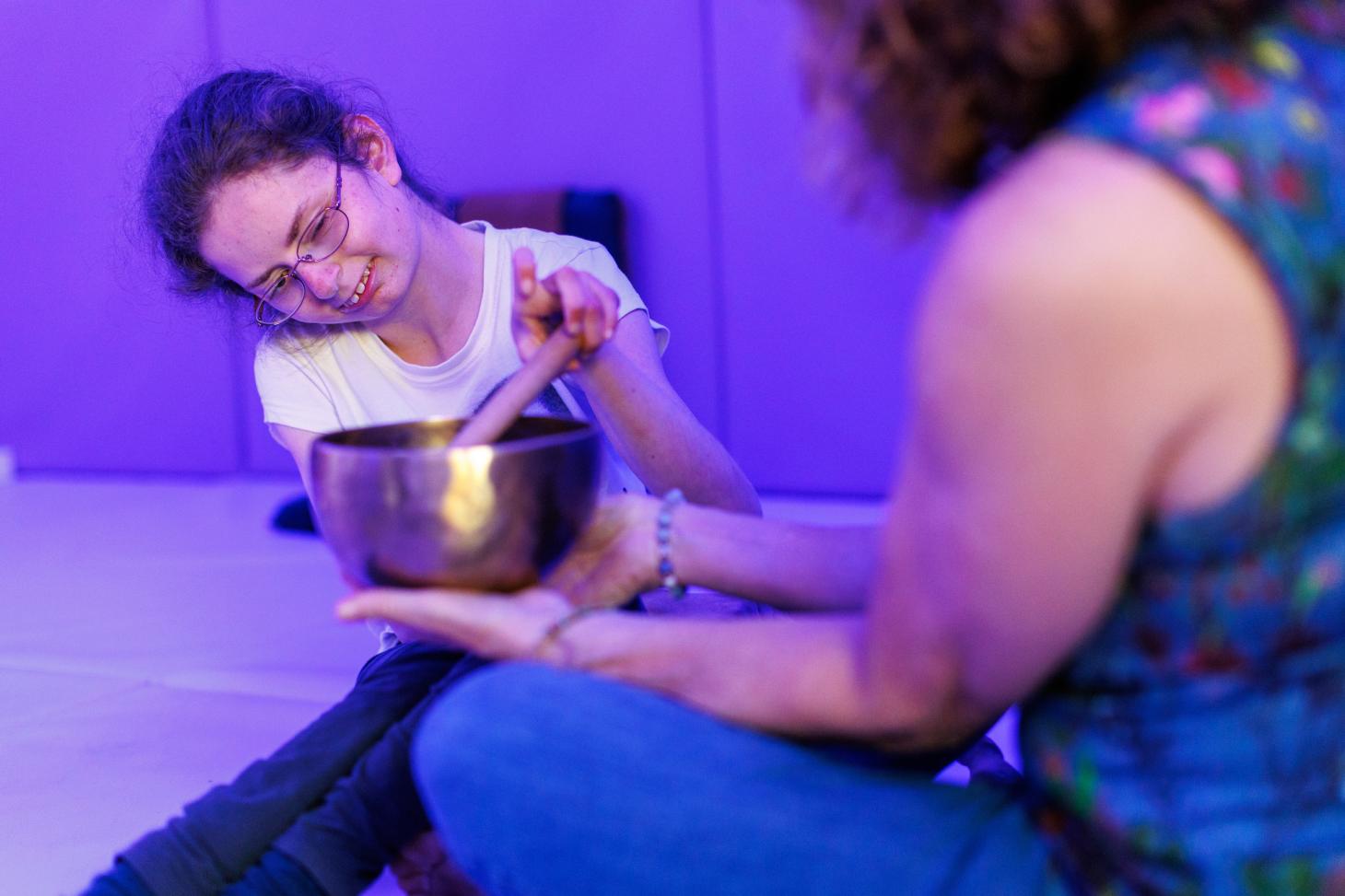
Adapting zones for complex needs
For children and young people with PMLD and complex health needs, the Zones of Regulation framework is thoughtfully adapted to reflect:
- Individual sensory profiles
- Preferred communication methods
- Medical needs
- Trauma histories and lived experiences
Pupils may communicate their emotional states through changes in posture, muscle tone, facial expression, breathing patterns, vocalisations or behaviour. Staff are skilled in observing and interpreting these cues.
Individual zones of regulation plans
Each pupil has a personalised Zones of Regulation plan, developed collaboratively with:
- Teaching staff
- Therapists
- Nursing and care teams
- Families and carers
- The wider multidisciplinary team
These plans describe how a pupil may present in each zone, identify strategies that help them feel safe and supported, guide adults in effective co‑regulation responses and ensure consistency across school and home where possible.
Plans are reviewed regularly through an assess–plan–do–review cycle and adapted as pupils’ needs change.
Creating a supportive environment
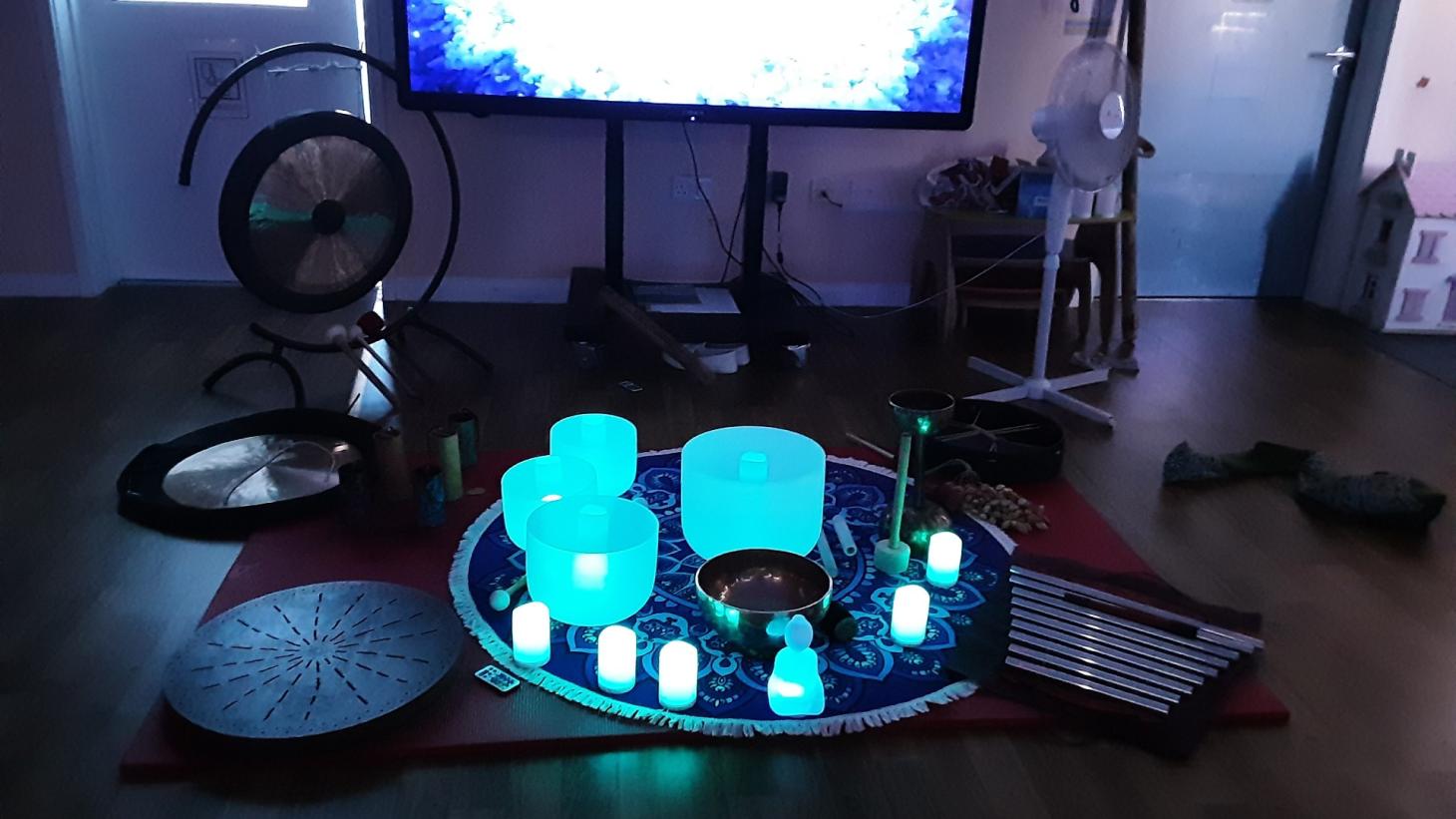
Our environments are carefully designed to promote regulation and emotional safety. This includes:
- Predictable routines and clear transitions
- Sensory‑aware classrooms (lighting, sound, seating and resources)
- Familiar staff and strong, trusting relationships
- Flexible approaches that respond to emotional and physical wellbeing
These proactive strategies help reduce stress and support pupils to engage meaningfully in learning and daily experiences.
Working in partnership with families
We believe that consistency between home and school is vital. Families and carers are actively involved in:
- Contributing to Zones of Regulation Plans
- Sharing insights into their child’s emotional communication
- Reviewing strategies during annual reviews and meetings
Open communication ensures that pupils receive the most effective and compassionate support possible.
Our Commitment
Through the Zones of Regulation, we aim to:
- Strengthen emotional safety and connection
- Validate every child’s emotional experience
- Support wellbeing, engagement and readiness for learning
- Build trusting relationships that enable children and young people to thrive
At The Children’s Trust School, emotional regulation is not something pupils are expected to manage alone. It is a shared responsibility, rooted in understanding, empathy and care.