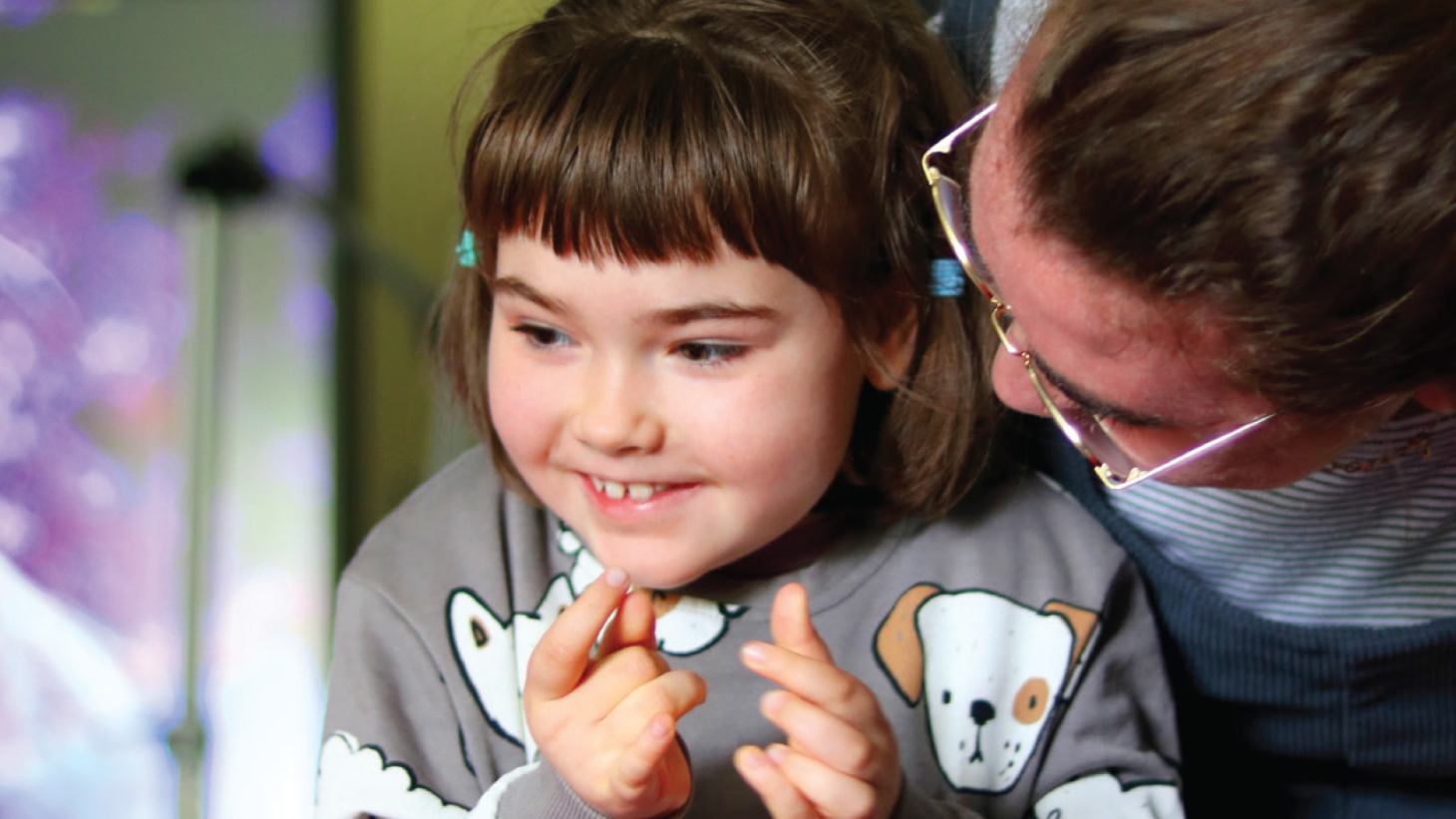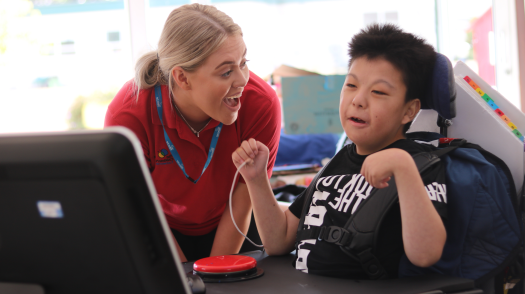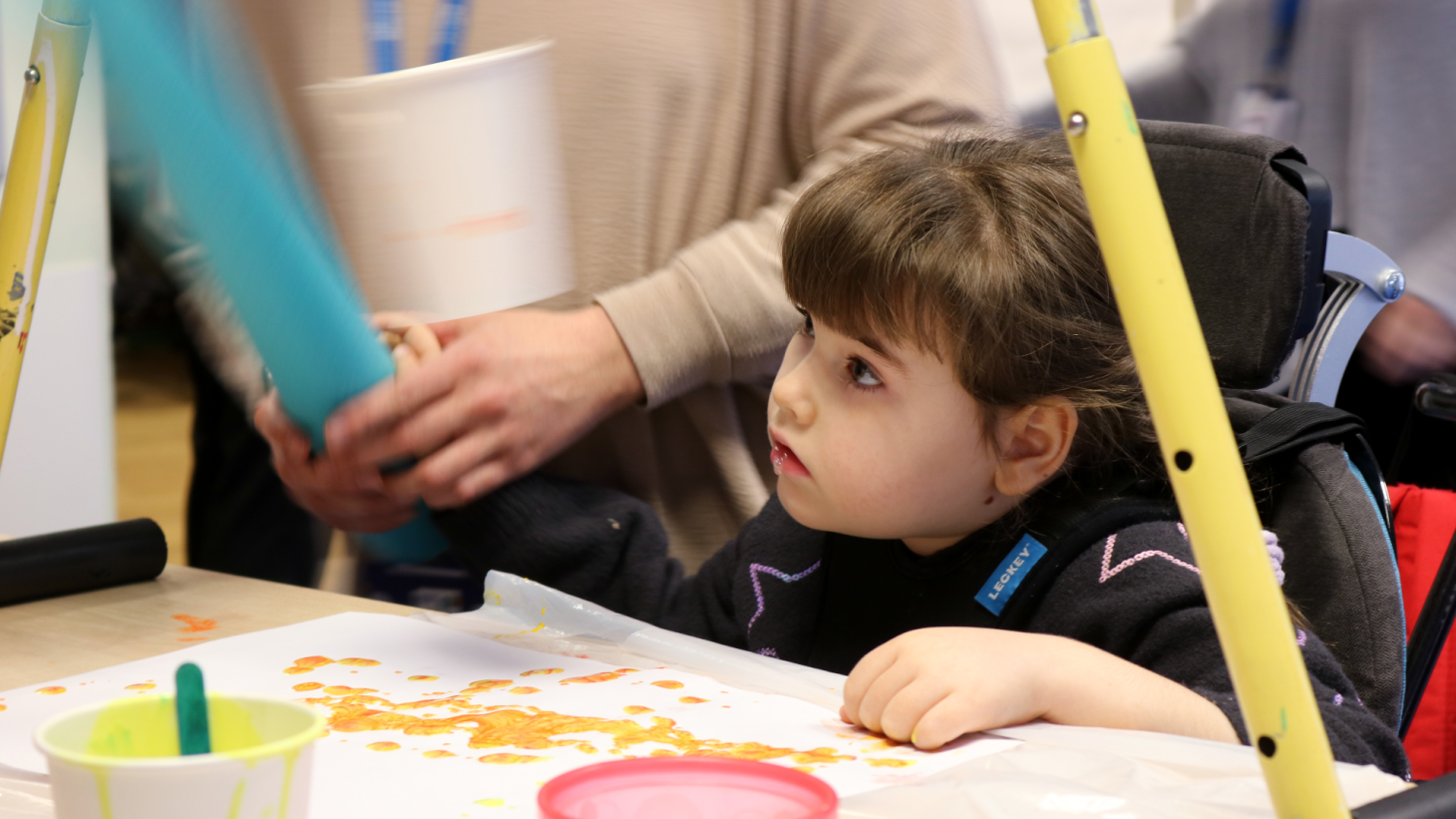
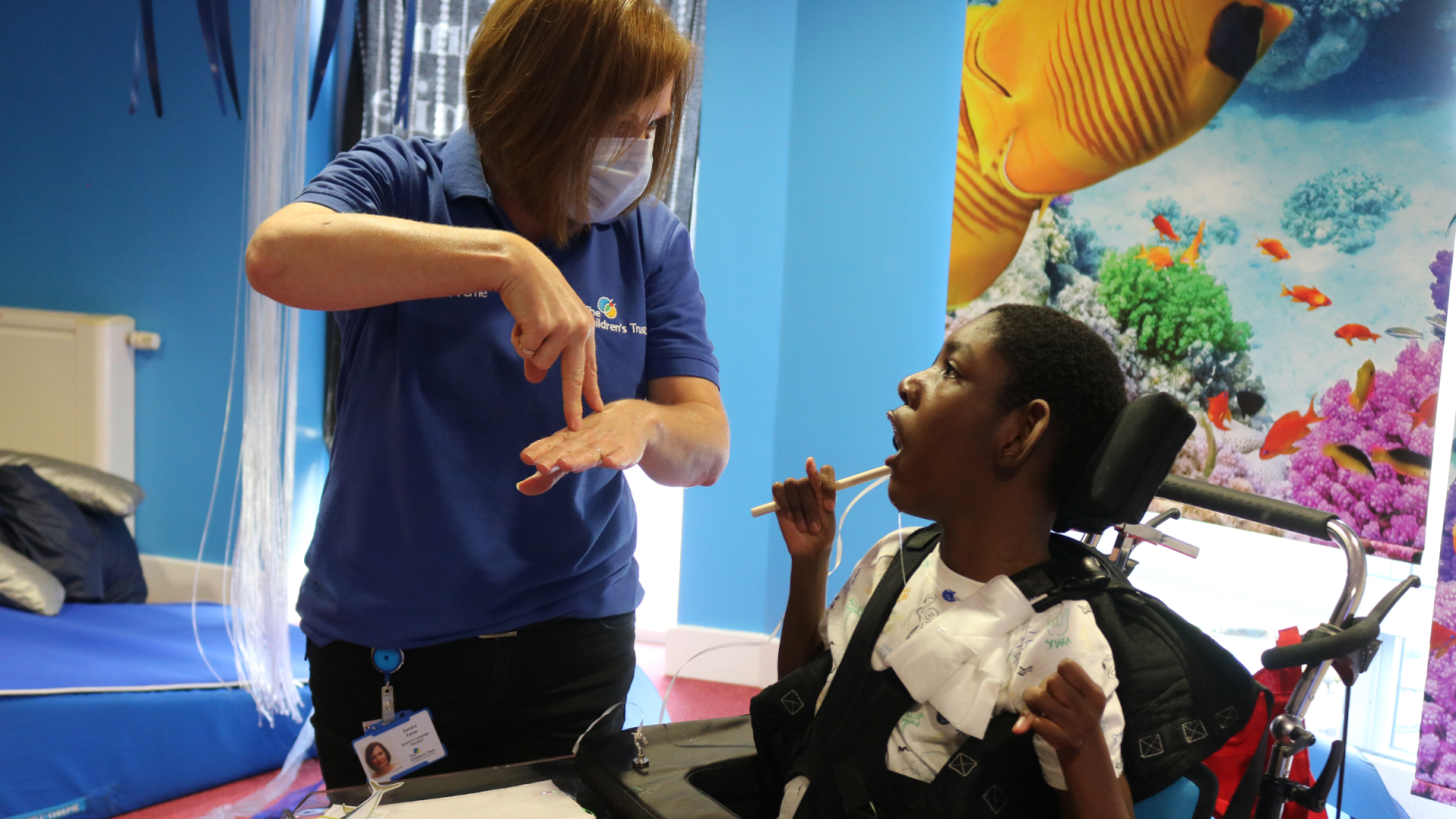
Sandra and Josiah in a communication, language and literacy session

Communication, language and literacy

At our school, we prioritise effective communication and engagement with each child by utilising a total communication approach.

We recognise and respect individual communication modes and ensure that all staff are skilled in supporting each child's preferred communication methods such as Eye gaze, TaSSeLs (Tactile Signing for Sensory Learners), Makaton, Picture Symbols.

Our goal is to ensure that every child feels heard and understood. We observe and actively listen to their communication, taking their expressions and signals seriously. Communication is prioritised in every aspect of our school, from timetabled sessions to daily routines and interactions. We understand that all behaviours serve as a form of communication, and we strive to interpret and respond appropriately.

In our approach to literacy, we recognise that "reading" extends beyond the traditional written word. We embrace a broader understanding of reading that includes interpreting and comprehending information through objects, pictures, assistive technology equipment, audio, and other modes of communication that are accessible to our children. By expanding our concept of reading, we ensure that all children have meaningful opportunities to engage with and understand the world around them.

School building with rainbow in sky

Our Curriculum guidance

Download our Curriculum guidance to gain a more comprehensive understanding of our communication, language, and literacy approach, including its intent, implementation, and impact. This document provides further insights into our strategies and practices for promoting effective communication and literacy development.

Download now

Through our commitment to total communication, recognising diverse communication modes, and prioritising understanding and interpretation, we aim to create an inclusive and supportive environment where each child's communication needs are heard, valued and met.

Further supporting documents are available such as how to deliver TaSSeLs.

Josiah using TaSSeLs tactile signs

Our TaSSeLs guide

This guide will walk you through the fundamental principles of TaSSeLs tactile signs and provide step-by-step instructions on how to effectively employ on-body signing with children who have PMLD (Profound and multiple learning disability).

Download guide now

Talking about Phonics 

For us ‘phonics’ teaching is adapted to the unique needs of our pupils with PMLD. For many, the starting point is recognising sound and enjoying it as a form of communication and connection. From here, children progress in different ways: a small number may access early phoneme work through adapted SEND phonics, but most focus on listening, responding, and linking sounds with objects, actions or experiences. This ensures ‘phonics’ is sensory, meaningful, accessible and rooted in each child’s ability to find their voice and engage with the world. 

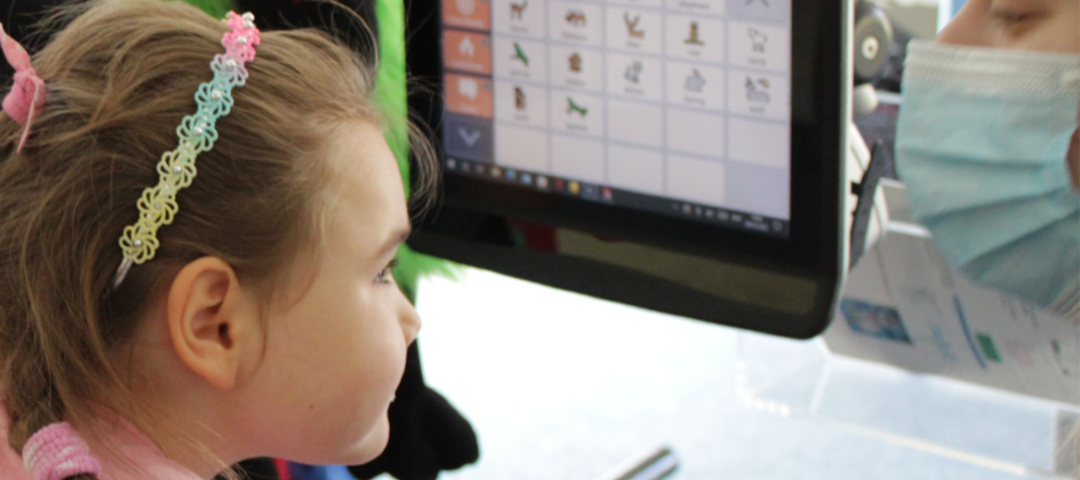
Technology also plays an important role. We use eye gaze devices to support literacy and communication, enabling pupils who cannot use speech or pointing to show recognition, make choices and express preferences. Eye gaze helps pupils track text or symbols, select sounds, letters or words, and link sounds to objects or actions. Above all, it gives children agency in the reading process, making books and phonics accessible in ways that reflect their strengths and abilities.

For detail on the developmental stages of music and sound, take a look at the Music for the Brain cards which were collaboratively devised with Adam Ockelford and Sophie Gray.

Olivia with teacher, Molly Ramsay

Finding her voice

Read Olivia's story and find out how she used Eye Gaze to find her voice and communicate.

Read Olivia's story

Explore our school

Kenny using assistive technology

Curriculum

At The Children's Trust School, we take great pride in providing personalised and sequential educational offerings to our children and young people. With clear intent, thoughtful implementation, and measurable impact, we ensure a meaningful curriculum that allows each child to make progress and reach their intended outcomes.

Olivia at our Accessible Arts Day

Virtual learning

Welcome to Virtual Learning. Our wide range of activities caters to the diverse needs and interests of all our learners.