
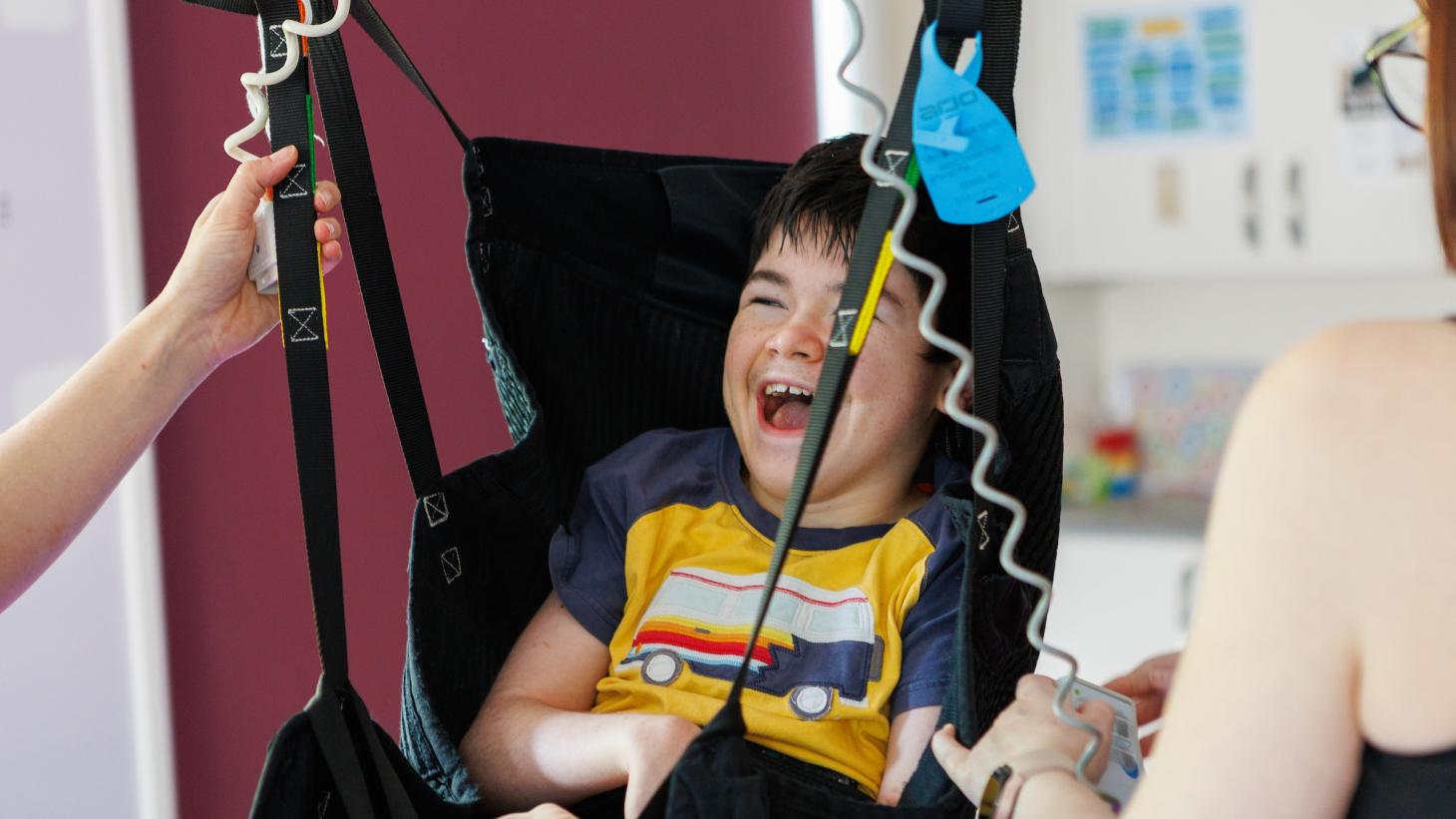
At The Children’s Trust School , we know through research and experience that learners with Profound and Multiple Learning Disabilities (PMLD) learn most effectively through structured routine sessions. These sessions provide optimal opportunities for learning by embedding familiar and consistent activities into each day’s plans. While routines offer predictability, they remain playfully responsive to each learner’s needs in the moment.
Our timetables are carefully designed to ensure every learner engages with all strands of our meaningful curriculum each week. Routines are not just about structure, they are about creating security, reducing anxiety, and enabling meaningful progress.
Why Routines Matter
- Reduce anxiety by creating safe, familiar environments.
- Support engagement through repetition and consistency.
- Enable skill development across multiple domains.
- Provide repeated practice for motor, communication, and cognition targets.
- Adapt responsively to the child’s needs while maintaining clear structure.
Examples of Planned Daily Routine Sessions
- Start and end of the day
- Good Morning / Hello
- Drink and Snack
- Yoga
- Hydrotherapy
- Goodbye
Personalised Everyday Routines
These occur daily but are tailored to individual needs:
- Hoisting
- Bathroom
- Body cues
- Transition cues
- Preparation for learning
Personalisation and Impact
Every routine is personalised and meaningful, mapped to each learner’s IMPACT targets, and documented in their routine matrix. Daily and weekly routines may include positioning, sensory activities, and enrichment sessions such as music, swimming, rebound therapy, and yoga.