
Informing schools and colleges
Help those around your child understand more about concussion and signs to look out for after a bump to the head.

Information and resources on returning to school and activity after a bump to the head.
After a child’s head injury, the parent or carer is usually supplied with information from the GP or hospital doctor. This may include a checklist of the appropriate actions to take, information and guidance (see The first few days after an injury).
The GP or hospital doctor may also share advice with you on concussion. It is common for children and young people to experience symptoms of concussion for a few days or weeks following a head injury.
Further advice includes The first few days and weeks after a bump to the head, with 5 actions for parents and carers to help the recovery process.
Experts have created guidelines to help children recover after a head injury and safely return to school, sport and activities. This guide is based on those recommendations and should be used alongside advice from your GP or healthcare professional. Children and young people should continue to be closely monitored during recovery.
Rest is important immediately after a concussion, but staying away from school or activities for too long is not recommended. After the initial rest period, gentle and gradual activity can help support recovery.

Medical help should be sought immediately through A&E if there are any 'red flags' or symptoms worsen, such as neck pain, repeated vomiting, increased confusion, seizures, and weakness or tingling in arms or legs. These may be signs of a more serious injury.
It is important that everyone involved understands the recovery process, including parents, teachers, and the child or young person.
We recommend informing your child’s nursery, school, or college about the head injury and working with them to follow these guidelines. If your child is part of a sports club, you should also inform them of the head injury and give them a copy of these guidelines.
Children should return to education before returning to sport.
Recovery time and activities may differ depending on advice from your GP or healthcare professional.
If symptoms last for more than 28 days, do not participate in any sport and seek medical advice from a GP.
These guidelines are designed for primary school aged children and above.
Grassroots sports refers to local, community-based sport played at a non-professional level.
There should be a minimum of 24 hours between each step.
Step 1

Rest at home for 24-48 hours. Your child should be kept off school during this time. Inform the school that your child has sustained a concussion and share these guidelines with them.
Limit screen time (mobiles, TV, gaming, computers) to absolute minimum.
Do not take part in sport or physical play, such as riding a bike or scooter.
Try easy activities such as gentle walks, simple board games or listening to music, as long as concussion symptoms are not more than mildly increased. Minimise any activity to 10–15-minute slots.
Step 2

Gradually increase mental activities such as reading, TV, games and limited phone and computer use.
Gradually increase light physical activity, such as short walks, simple chores and moving around the house. Do not take part in sport or physical play, such as riding a bike or scooter.
A mild increase in symptoms when increasing activity levels is acceptable, but if they are more than mildly worsened, rest briefly until they settle.
Step 3

Once normal daily activities can be tolerated, try adding in some home-based schoolwork, such as homework, revision or activities set by a teacher.
Talk to a member of staff at school about returning to school part-time. This could include time for rest breaks during the school day and a mix of school and home-based learning.
Aim for 20–30-minute blocks of thinking activities followed by a short rest break.
Begin light exercise for 10–15-minute slots, at an intensity where your child can still talk in short sentences. Avoid high-intensity exercise and added weight resistance training and continue to not take part in sport or physical play.
If symptoms worsen more than mildly or new symptoms appear, stop the activity and rest briefly. Resume activity at a tolerable level and gradually increase only when symptoms remain mild.
Step 4

Return to school part-time and consider adaptations, such as regular rest breaks and access to a quiet space to work. Avoid exams or assessments.
Avoid any activities involving head impacts or those which have a risk of head injury. Do not take part in PE lessons.
For children involved in grassroots sport, training can begin once there are no concussion symptoms at rest. Exercise intensity and resistance training can be gradually increased. Training involving head impacts or risk of head injuries should still be avoided.
Step 5

Gradually return to full school days, catch up on missed work, and slowly reduce any adjustments.
Exams and assessments can be reintroduced, but progressing too quickly through steps 3-5 if symptoms are significantly worsened can slow recovery, so any increase in activity should only mildly increase symptoms.
Once your child has had no concussion symptoms at rest for 14 days, PE lessons and sport training may be considered. If symptoms return after PE or training, the child should be removed from the activity.
For children involved in grassroots sport, this training can include activities involving head impacts or risk of head injury, providing they have been free of symptoms at rest for 14 days.
Step 6

Keep monitoring for changes in cognition, behaviour, emotions and energy levels.
Children involved in grassroots sport should only return to competition at least 21 days after the head injury and only if they have had no concussion symptoms at rest in the previous 14 days (the day of concussion is day 0). Read the UK Concussion guidelines for returning to sports (pages 17 - 19)
Approximately 2/3 people will be able to return to full sport by 28 days, but children and adolescents may need longer.
For full details of these steps please refer to The National Acquired Brain Injury in Learning and Education Syndicate's (N-ABLES) Concussion: Return to School Guidance and the Government and Sport Recreation Alliance's UK Concussion guidelines for non-elite (grassroots) sport.

It’s important that teachers, parents and anyone who cares for your child know about any recent bumps or accidents so that they can look out for warning signs in the following days – see our section on Informing schools and colleges for more information.
If your child has a head injury we recommend seeking medical advice as soon as possible after the injury (call 111, your GP or in an emergency 999).
Help those around your child understand more about concussion and signs to look out for after a bump to the head.
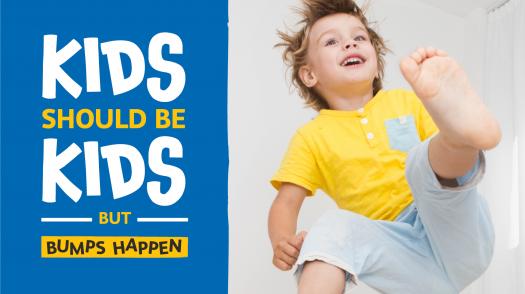
Most head injuries are not serious but bumps do happen. Find your way around our information - we share the signs to look out for, and steps to take, in case your child has had a concussion.
Looking for further advice and support? If your child’s symptoms persist longer than six weeks and you would like support from one of our specialists, contact our virtual ABI team.