Younger children’s heads are disproportionately large compared to the rest of their bodies which puts them at higher risk of falls. Children are also less aware of danger and are therefore more at risk of accidents.
- Do not leave infants unattended on surfaces such as beds or changing tables even if they haven’t started rolling yet
- Use safety straps on changing tables where available
- Use stair gates at the top and bottom of the stairs for toddlers and young children
- Keep stairs clear of clutter
- Use non-slip mats in the bath
- Secure babies and toddlers into highchairs, pushchairs and car seats using straps provided
- Ensure car seats are fitted correctly and the correct size for the child
- Ensure cot rails are high enough to stop toddlers climbing over them or accidentally falling out
- Secure furniture to walls
- Use child safety locks on windows and where possible, keep furniture away from windows
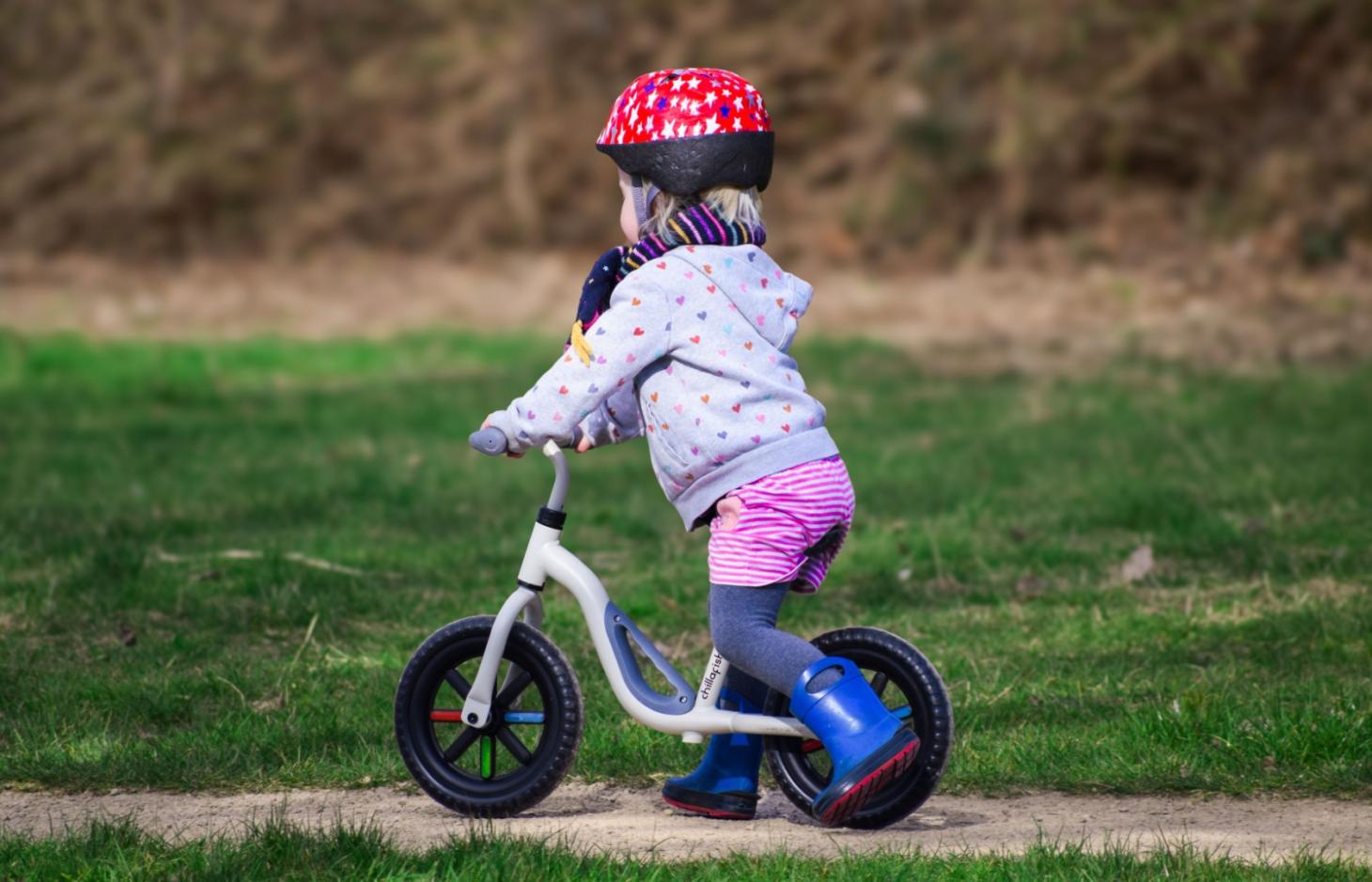
- Wear a helmet when using a scooter or bike, or if they are riding in a trailer or seat attached to an adult bike
- Ensure helmets are fitted correctly and in good condition
- Use playgrounds which have shock-absorbing materials on the ground, such as wood mulch, rubber mats or sand
- Use appropriate headgear and protective equipment when playing contact sports or other activities such as horse riding.
There are some simple things that you can do reduce the risk of children and young people sustaining a head injury: